Home » Experiences » Masai Mara & Gorilla Safari: From Big Cats to Gentle Giants
One morning, you’re in the Masai Mara — camera ready as a pride of lions yawns in the golden light. A few days later, you’re deep in the forest, face-to-face with a mountain gorilla that stares back like it knows you. Two worlds. One journey. Zero filters.
A lion stretches in the morning light, its mane glowing like embers as the vehicle hums to a quiet stop. Your guide lifts a hand. You hold your breath. Just meters away, the pride is waking — paws flexing, eyes half-closed, tails flicking dust into the air.
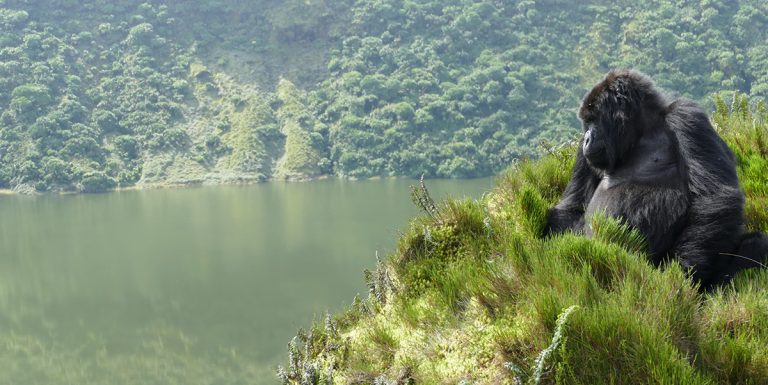
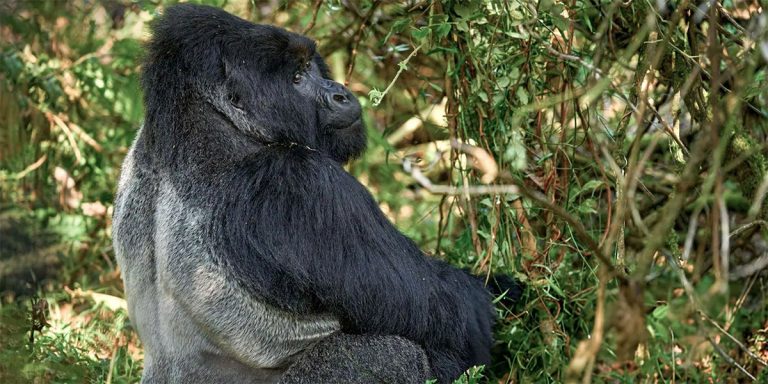
Four days later, you’re knee-deep in vines, boots squelching in soft earth. The forest holds its breath too. Then a twig snaps. A black figure steps forward — heavy, calm, watching. A mountain gorilla meets your gaze and does not look away. Not curious. Not threatened. Just aware, as if it sees you and not just another hiker.
You’ve crossed from wide-open savannahs to tangled, breathing jungle. From the roar of lions to the silence of a stare. One trip. Two worlds. And no part of you will come back the same.

Because some safaris come with speed. Others, with stillness.
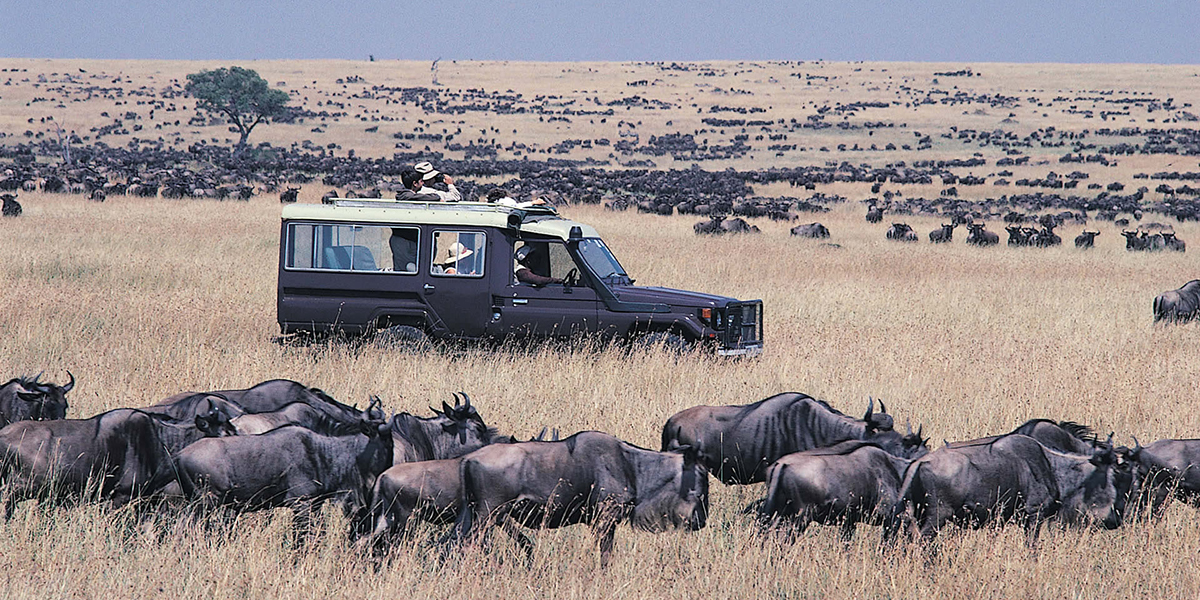
In the Mara, you’re chasing movement — wildebeest galloping across the plains, cheetahs accelerating into a blur, lions ruling the horizon with every yawn and growl.
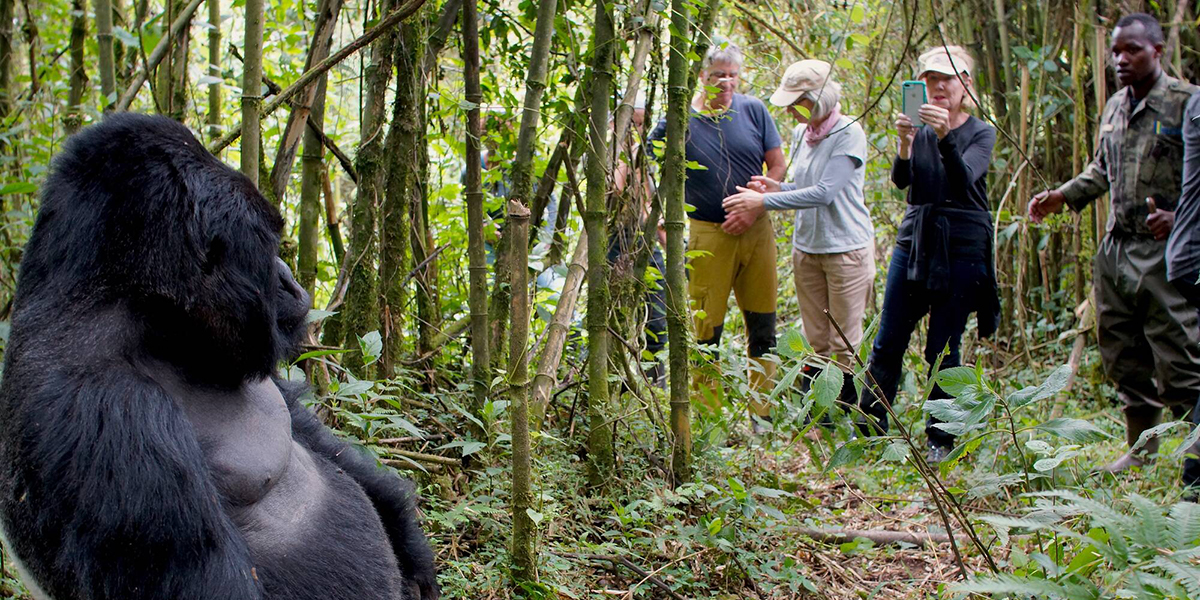
Then, in Uganda’s highlands, everything slows. You climb through mist and moss, brushing past bamboo stalks until the forest suddenly parts — and there they are. Gorillas. Immense, patient, and close enough to hear them breathe.
This isn’t just a contrast in scenery. It’s a shift in feeling. The Mara surges. Bwindi listens.
If you’re looking for a safari that rattles your heart and then quiets it — this is the one.
Timing helps you make the most of both landscapes:
July to October – Great Migration in the Mara + dry season in Uganda = excellent combo. Best for photography and comfortable trekking.
December to March – Less crowded, warm weather, good visibility in both regions.
April to May – Rainy and green. Gorilla trekking is still possible but muddy. Fewer tourists, lower prices.
Gorilla trekking happens year-round — but the dry seasons make trails easier and sightings more comfortable.
Masai Mara (Kenya) – One of Africa’s best safari destinations. Expect game drives, lion sightings, and classic tented camps.
Bwindi Impenetrable Forest or Mgahinga National Park (Uganda) – Both UNESCO-protected homes of endangered mountain gorillas. Accessed from Entebbe or Kigali by air or road.
Most itineraries fly from Nairobi to Kigali (Rwanda) or Entebbe (Uganda), then transfer to Bwindi.
Option 1: Nairobi → Entebbe
Fly from Kenya to Uganda, then drive or fly to Bwindi. Ideal if you’re exploring Uganda further.
Option 2: Nairobi → Kigali
Fly to Rwanda, drive ~4–5 hours to Uganda’s southern Bwindi trailheads. Great for faster connections.
Most travelers end with gorillas — a quiet, emotional finale after the roaring Mara.
You’ll need well-placed, comfortable stays to enjoy both ends of this journey.
Recommended Lodges & Camps
Masai Mara (Kenya)
Bwindi (Uganda)
Mgahinga (Uganda)
Mount Gahinga Lodge – cultural touches, private cottages, and golden monkey access
Expect hot showers, friendly staff, guided treks, and early breakfasts — because gorillas don’t wait.
Book your gorilla permit as soon as you confirm your travel dates
Uganda allows only eight people per gorilla family per day — and permits sell out months in advance. It’s not something you leave to chance. Your operator will help secure it, but you must commit early. No permit = no trek.
Expect the trek to be challenging — and worth every step
Gorilla trekking isn’t a walk. Trails aren’t marked. The forest is thick, slippery, steep, and unpredictable. You might hike for 30 minutes… or 5 hours. But when you finally make eye contact with a 200 kg silverback in silence, every drop of sweat will feel like a price you’d gladly pay again.
Train a little before you come
You don’t need to be an athlete — but walking uphill for an hour without wheezing helps. Take stairs instead of elevators. Walk with a backpack. Wear in your hiking boots. Your knees will thank you in Bwindi.
Use a porter — even if you think you don’t need one
They carry your daypack, help you navigate the mud, give you a hand when the slope bites back — and they earn an honest living doing it. For about $15–20, you’re helping someone feed a family and making your trek smoother.
Layer up — the weather changes without warning
Start cold, end sweating. Then it rains. Then the sun is back. Bring a light rain jacket, long-sleeved shirt, breathable trousers, and a dry bag for your gear. Gloves help when grabbing vines. Nothing fashionable here — just functional.
Bring patience and a spirit of flexibility
You’ll cross borders. Deal with customs. Sit through bumpy rides. Wake up before sunrise more times than you’d like. Some days go to plan. Some don’t. But that’s Africa — and honestly, that’s the magic. The delays often lead to the best stories.
Fly one leg if time is short
The road from Masai Mara to Bwindi (via Isebania and Kigali) takes time. Consider flying at least one stretch — for example, Nairobi to Kigali, or Mara to Entebbe. It gives you more time on the ground and less time bouncing in a 4×4.
Carry USD in small denominations
Tips for guides, porters, airport staff — cash speaks louder than cards here. Bring clean bills (2010 or newer), and keep small change easily accessible. It smooths every transaction, even the unspoken ones.
Keep your camera ready — but don’t live through the lens
Wildlife doesn’t pose. Gorillas move fast. And the best memories often happen between shots. Take your photos, yes. But then lower your camera and just watch. You’ll remember those moments longer than any photo will.
Give yourself a buffer day before flying home
Don’t fly out the same day you finish gorilla trekking. Roads are unpredictable. Weather changes. Cross-border delays happen. Plan a final night in Entebbe or Kigali to relax, reflect, and pack without pressure.
Let each experience breathe
The Mara is fast — adrenaline, action, movement. The gorilla trek is slow — quiet, intimate, grounding. Don’t rush one to reach the other. Give both their space. That contrast is what makes this journey unforgettable.
One Safari, Two Worlds — And a Lifetime of “I Can’t Believe We Did That”
The Masai Mara & Gorilla Safari is a story in two chapters — one bold and roaring, the other quiet and breathing through the trees. You’ll come for the animals. But you’ll remember the stillness. The connection. The feeling that, for once, you were exactly where you were supposed to be.
Give Us a call or arrange a meeting with one of our Travel Consultants to discuss more your Kenya Safari Adventure


Send an Email
Rm 2B Ground Floor, Tetu Appartments, Milimani Lane, Nairobi.
© 2025 Serengeti Mara Experts LLC All Rights Reserved