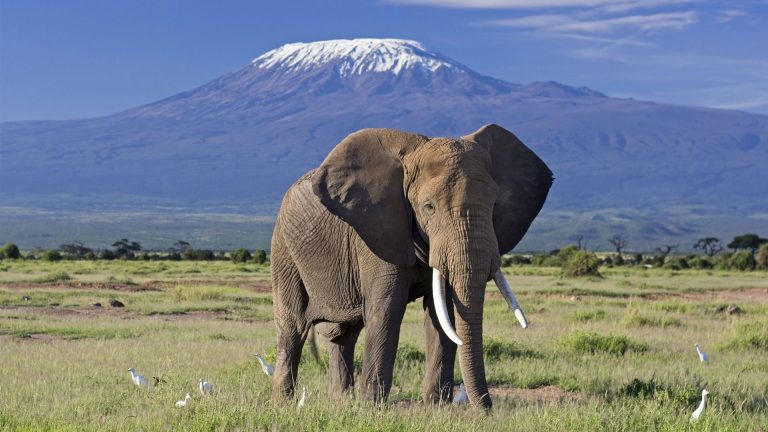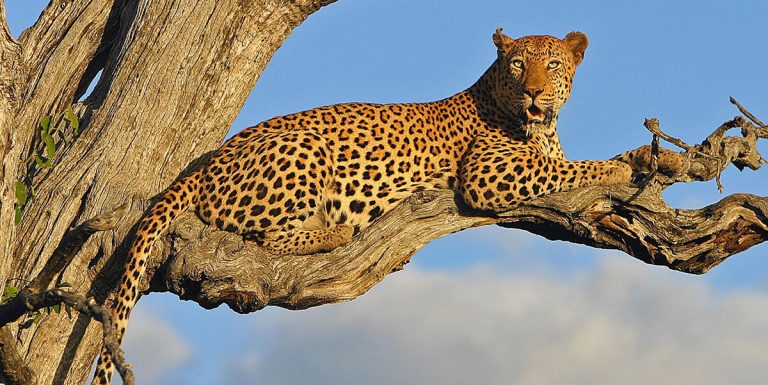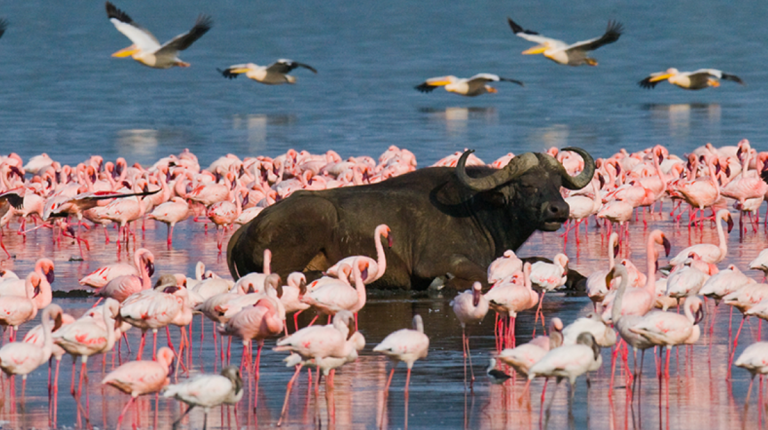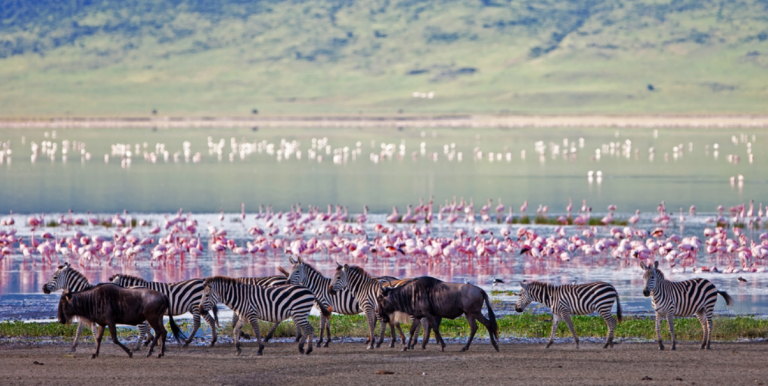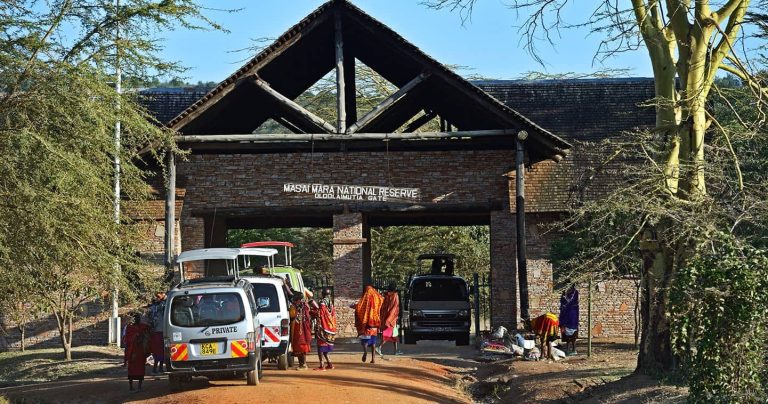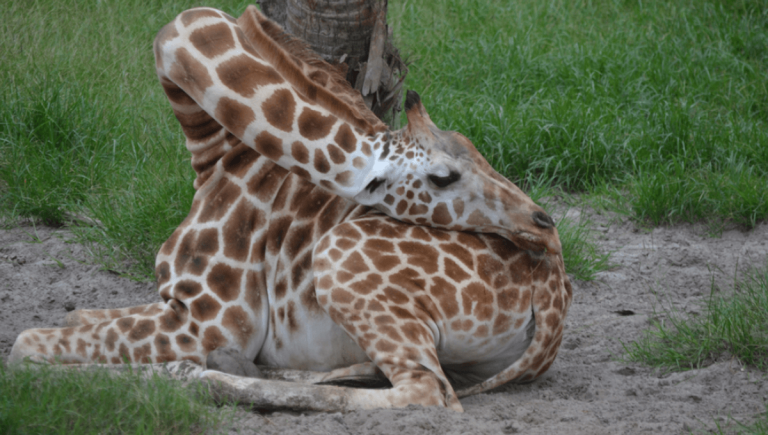
The engine is silent. Dawn light slips across the plain like a slow wave, and a ripple of brindled backs—that famous wildebeest tide—rolls toward the Mara River. A lioness crouches in tawny grass, every muscle holding its breath. This isn’t a scene on TV; it’s an invitation. Understand the rhythms of Masai Mara animals, and you step into moments that feel carved out of time.
Extra pulse: Watch a cheetah coalition melt into high grass; three bounds later, dust hangs where an impala once stood. That 0-to-64 km/h burst in three strides is no safari myth.
From mid-July through October, roughly 1.5 million wildebeest and zebras funnel north from Tanzania, braving crocodile-packed crossings. Stake out the Mara Triangle for uncluttered riverbanks and eye-level views of hooves hitting water.
Pack patience—a herd can sniff the current for hours before one bold step unleashes chaos.
Lion prides shadow the migration, claiming river loops where panic is predictable.
Hyenas patrol the night near Olare Motorogi Conservancy, whooping beneath a spray of Milky Way stars.
Jackals, servals, bat-eared foxes emerge in short-grass clearings after fires or heavy grazer traffic, picking through leftovers.
Every kill site becomes a living amphitheater: vultures spiral, eagles ride thermals, and the scent of iron drifts on warm wind.
Aardvarks vacuum termite mounds on black-cotton soils; pangolins waddle like armored accordions after midnight. Keep a red light ready—nocturnal eyeshine often betrays secrets the daytime crowd never sees.
Birding Heaven – 470 + Species and Counting
With more than 470 resident and migratory birds, the Masai Mara is a moving kaleidoscope.
Wet-season months November through May bring migrants from Europe and Asia, breeding plumage, and electric courtship flights. Peak activity runs September through April.
| Habitat | Signature Birds | Hotspot |
| Open savannah | Secretary bird, Kori bustard, ostrich | Central Plains & Mara North |
| Riverine forest | African fish eagle, malachite kingfisher | Loops along the Mara & Talek Rivers |
| Acacia woodland | Lilac-breasted roller, superb starling | Naboisho Conservancy |
| Season | Weather Snapshot | Headline Sightings | Best Zones |
| Jan–Mar (Hot-Dry) | Warm, sparse showers | Lion cub boom, raptors courting | Talek & Musiara Marsh |
| Apr–May (Long Rains) | Lush, dramatic skies | Calving antelope, peak birding | Higher ground in Mara North |
| Jun | Cool mornings, dry | Short grass reveals leopards | Ridge lines along Olare Orok |
| Jul–Oct (Dry) | Crisp, dusty haze | Great Migration, big-cat action | Mara Triangle, Musiara Crossing |
| Nov–Dec (Short Rains) | Emerald flush | Antelope nurseries, migrant birds arrive | Eastern grasslands |
Masai Mara writes its own screenplay—roaring hunts, feathered fireworks, quiet births in knee-high grass. All it asks is that you arrive curious and ready.
Reach out today, and let’s map a journey that drops you into the heartbeat of Masai Mara animals—binoculars in hand, dust on boots, memory card screaming with life.
Give Us a call or arrange a meeting with one of our Travel Consultants to discuss more your Kenya Safari Adventure


Send an Email
Rm 2B Ground Floor, Tetu Appartments, Milimani Lane, Nairobi.
© 2025 Serengeti Mara Experts LLC All Rights Reserved